Declared Dead, Booked Solid: The Entertainment 'Cancellations' That Turned Out to Be Free Publicity
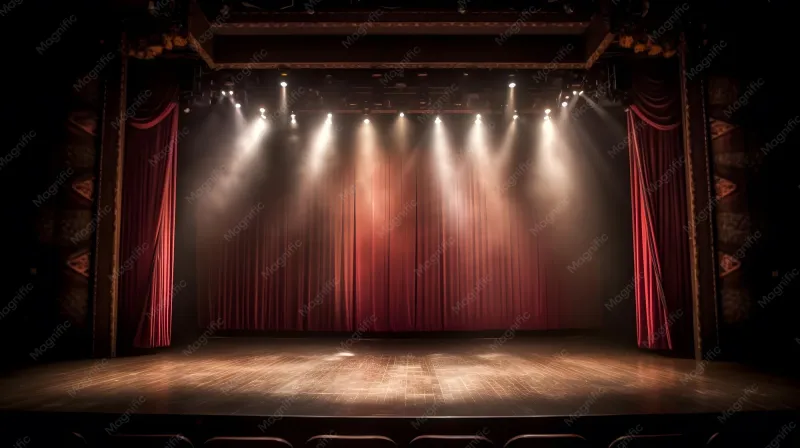
Photo: dramatic stage spotlight empty theater comeback concert crowd, via img.freepik.com
Every few months, the internet holds a funeral. A celebrity says something regrettable, a show gets dragged, a trend gets declared over, and the digital mob lights its torches. Hashtags trend. Think pieces multiply. The verdict is delivered: canceled.
And then, like a horror movie villain with one more sequel in their contract, the thing gets back up. Bigger. Richer. With a Netflix deal.
The Sitcoms That Refused to Stay in the Vault
Take the great streaming resurrection wave. Shows that networks discarded like old couches — pulled from platforms, stripped from streaming menus, left for dead — have been rescued by rival services, revived with new seasons, or relaunched with full fanfare. Series that got the ax after one season came back after fan campaigns that looked more organized than some presidential runs. "Saved by the fandom" used to be a long shot. Now it's practically a distribution strategy.
The lesson Hollywood learned, and learned fast: an angry, engaged audience is a valuable audience. Nobody live-tweets a show they don't care about. Controversy doesn't kill a sitcom; it hands it a marketing budget it never earned.
The Boycott That Bought a Billboard
Then there's the celebrity playbook, which has gotten genuinely shameless. Public figure stumbles into scandal. Public figure goes quiet for a bit. Public figure returns with a documentary, a tour, or an album that debuts at number one, because half the country showed up to support them and the other half showed up to watch. Either way, someone's buying tickets.
We've watched artists survive boycotts by literally writing songs about the boycott. We've watched canceled comedians sell out arenas where the whole draw was "come see what the fuss is about." The apology tour and the victory lap are now the same event, and the merchandise stand takes both credit and debit cards.
The Fandoms That Ate the Cancellation
And let's talk about fandoms, because they've discovered something networks are still catching up to: fans can out-lobby the studios. Petitions, charter flights with banners, coordinated review-bombing, crowdfunding campaigns — fan bases have become lobbying groups with better social media teams than most senators.
When a beloved property gets shelved, the fandom doesn't mourn. It organizes. And studios, staring at engagement metrics that look like Super Bowl numbers, tend to find a checkbook.
So Is Cancellation Over?
Here's the uncomfortable part. Cancellation was supposed to be accountability — consequences, a line in the sand. And sometimes it still is! Real careers have ended. Real shows have stayed buried. But the volume of cancellations has gotten so high that the signal is drowning in noise, and the entertainment industry has done what it always does with a cultural phenomenon: it monetized it.
A cancellation now functions as an announcement. It's a trailer for the comeback. It's earned media that money can't buy, except it's actually cheaper than advertising, which is why the smartest operators in Hollywood treat a scandal the way other industries treat a Super Bowl ad slot.
And the kicker? We're complicit. Every time we click, quote-tweet, argue in the comments, and write 900 words about whether someone is or isn't canceled — hi, hello, welcome to this article — we're feeding the machine. Attention is the only currency the internet respects, and we keep paying in bulk.
So the next time the internet declares something dead, maybe hold the funeral speech. Check back in six months. Chances are, whatever got canceled is doing just fine — probably on a poster, probably at number one, and probably thanking the mob for the free press.