Sorry For Sale: How the Celebrity Apology Machine Turned 'My Bad' Into a Multi-Million Dollar Industry
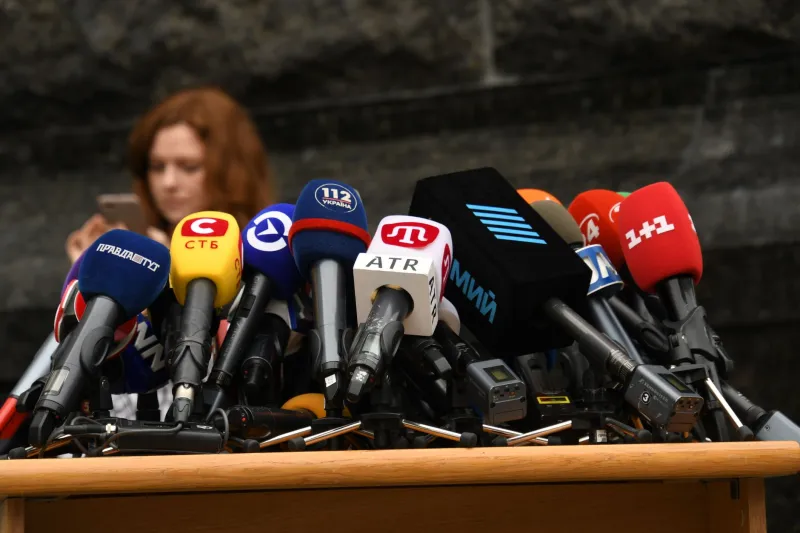
Let's paint a picture. A celebrity does something — says something, posts something, gets photographed doing something — that sends the internet into full meltdown mode. Within 48 hours, a carefully worded statement appears on their Instagram. It uses phrases like "after much reflection" and "I take full accountability" and "this does not represent who I am as a person." It is grammatically flawless. It is emotionally calibrated. It was also almost certainly written by someone who charges $500 an hour and has a whiteboard covered in words like "optics" and "narrative pivot."
Welcome to the celebrity apology industrial complex — population: every A-lister who's ever had a bad week.
The Business of Being Sorry
Crisis PR is not new. Spin doctors have been lurking in Hollywood's shadows since the studio system invented the concept of a "star" worth protecting. But in the social media era, the machine has grown into something almost baroque in its complexity. We're talking full teams — publicists, social media strategists, ghostwriters, media trainers, sometimes literal therapists deployed as props — all working in concert to produce what is essentially a theatrical performance of remorse.
The going rate for a top-tier crisis management firm? Industry insiders estimate anywhere from $10,000 to $50,000 per month for ongoing retainer work, with individual statement packages running well into five figures for a single news cycle. That's a lot of money to say "I'm sorry you were offended" in a way that sounds like you actually mean it.
And yet — spoiler alert — it almost never sounds like they actually mean it.
The Anatomy of a Fake Apology
There's a formula, and once you see it, you cannot unsee it. Phase one: the delay. The celebrity goes quiet for 24 to 72 hours while the team assesses the damage. Phase two: the platform choice. Instagram notes app? Twitter thread? A tearful sit-down with a sympathetic interviewer? Each option signals something different to the audience. Phase three: the statement itself, which almost always follows the same emotional architecture — vague acknowledgment, deflection disguised as self-awareness, pivot to growth, and a charitable donation announcement buried in the final paragraph like a receipt.
Phase four — and this is the really fun one — is watching the public absolutely see through all of it in real time.
Take the now-legendary case of celebrities who've faced backlash for tone-deaf behavior, only to resurface with apologies so polished they practically squeak. The problem isn't the apology itself. The problem is that audiences in 2024 have developed finely tuned inauthenticity detectors. We've watched enough reality TV, consumed enough behind-the-scenes content, and read enough leaked texts to know when someone is performing contrition versus actually feeling it. And a statement workshopped by six people in a conference room tends to feel like exactly what it is.
Case Studies in Spectacular Backfires
Some apologies don't just fail — they actively make things worse, which is honestly impressive given how much money went into preventing that exact outcome.
Consider the celebrity who responds to a racism controversy with a lengthy statement that somehow manages to center their own feelings about being called racist rather than the experience of the people they hurt. The crisis team thought they were threading a needle. The internet thought they were handing them a shovel. The discourse that followed the apology was significantly louder than the discourse that followed the original incident.
Or the classic "I've grown so much" apology that arrives approximately three weeks after the scandal, right before a major project release. Nobody — and we mean nobody — believes the timing is coincidental. The cynicism is so thick you could serve it at brunch.
Then there's the crying video. Oh, the crying video. A beloved staple of the celebrity apology genre, the crying video requires its subject to appear on camera, visibly emotional, speaking directly to the audience without a script (except for the script they memorized). When it works, it's devastating and humanizing. When it doesn't work — when the tears feel manufactured or the pacing feels rehearsed — it becomes a meme within hours. The internet has no mercy for a bad performance, especially when that performance is supposed to be "real."
Why Authenticity Is the One Thing Money Can't Buy
Here's the tragic irony at the heart of the whole enterprise: the more resources a celebrity throws at crafting the perfect apology, the less authentic it tends to feel. Authenticity, by definition, cannot be outsourced. The rough edges, the stumbling over words, the genuine discomfort of actually reckoning with something you did wrong — those are the things that make an apology land. And crisis managers, bless their hearts, are professionally obligated to sand all of that away.
The apologies that actually work — the ones that shift public opinion, that allow celebrities to genuinely move past a controversy — tend to share one uncomfortable quality: they sound like a real human being talking. Not a brand. Not a statement. Not a carefully vetted paragraph that seventeen people signed off on. Just a person, saying they messed up, explaining why they understand that now, and sitting with the discomfort instead of rushing to resolve it.
That's hard to manufacture. It's also, apparently, hard to teach, because the crisis management industry keeps getting bigger while public trust in celebrity apologies keeps getting smaller.
The Audience Has Left the Chat
At some point in the last decade, something shifted. The public stopped being a passive recipient of celebrity narratives and became an active, often adversarial participant in them. Fan communities dissect statements line by line. Journalists track the rhetorical fingerprints of known crisis PR firms. TikTok creators build entire content careers around breaking down the structural dishonesty of celebrity apologies. We are, collectively, extremely online and extremely done with being managed.
The celebrities who navigate controversy best these days tend to be the ones who skipped the playbook entirely — who posted something unpolished, who called someone directly, who said the wrong thing in the right way and let it be imperfect. Weirdly, messiness reads as honesty in an era of algorithmic perfection.
So here's a thought — and we're offering this one for free, no retainer required — maybe the best crisis management strategy is to occasionally act like a person who doesn't have a crisis manager. Just a thought. Just a wild, unscripted, authentically human thought.
But probably nobody's going to pay $40,000 a month for that advice, so the apology machine will keep humming along. And we'll keep watching. Because honestly? The trainwrecks are more entertaining than the movies these people are trying to promote anyway.